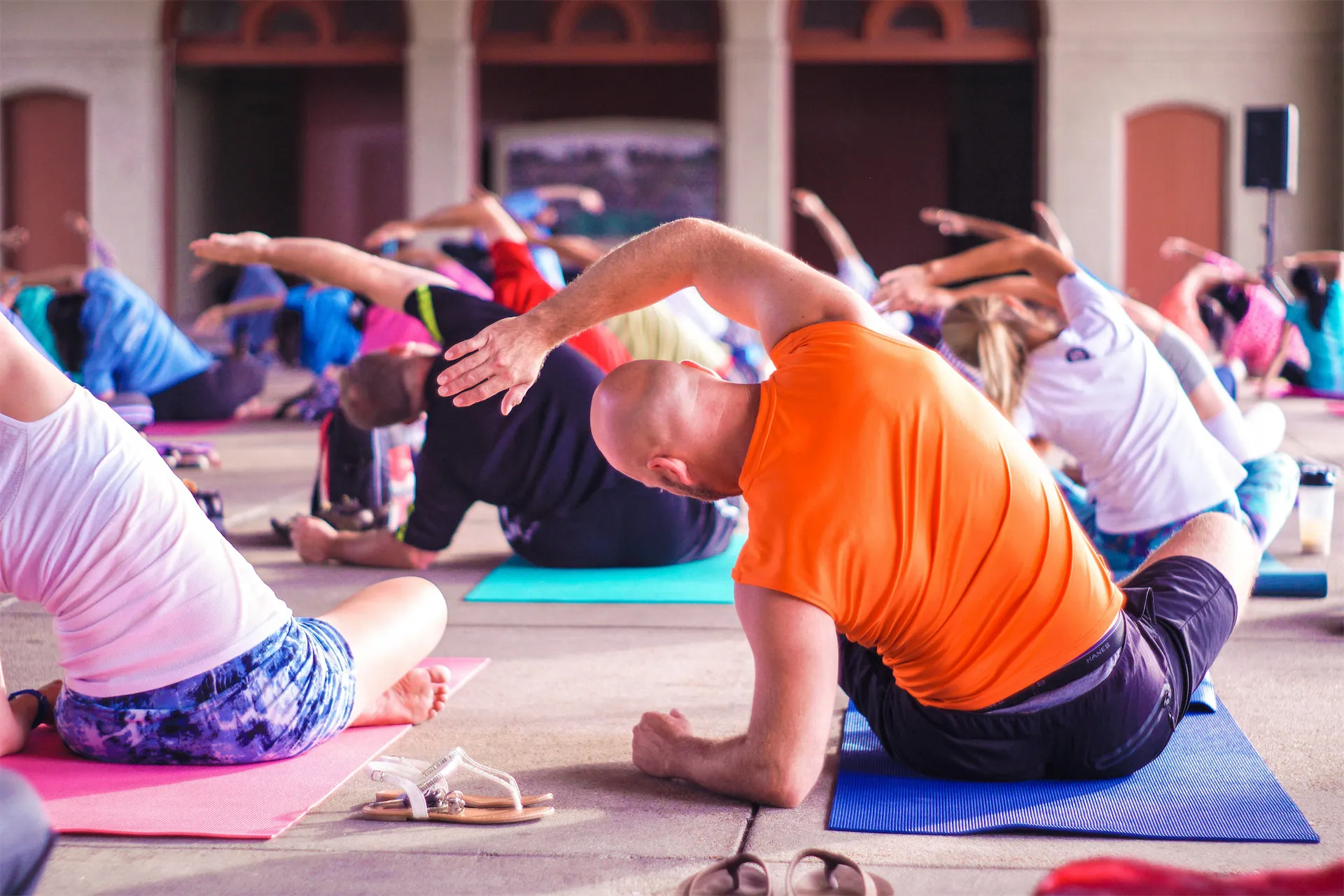
Group Yoga Classes: What to Expect and How to Choose the Right One
Group yoga classes are where most people begin, and for good reason. They offer structure, consistency, community, and the kind of momentum that is hard to create on your own. You show up, unroll your mat, and for the next hour someone else holds the container while you practice.
That sounds simple, but there is more range inside “group class” than many people expect. Some classes are steady and instructional. Some are more dynamic and heat-building. Some are quiet and grounding. The right fit depends less on your experience level than on what you need from the practice right now.
What our group classes are designed to do
At Rooted & Rising, group classes are designed to be clear, welcoming, and useful. That means the class should meet a beginner without boring a regular. It should challenge a strong student without making the room feel exclusive. And it should leave you feeling better organized in your body than when you walked in.
You can expect:
- a thoughtfully paced sequence
- verbal guidance that explains what matters in a pose
- modifications for different bodies and ability levels
- a rhythm that balances effort with breath and recovery
The goal is not to perform well in front of other people. The goal is to practice well enough that you want to come back.
Who group classes are best for
Group classes work especially well for students who want consistency and a sense of accountability without the cost of private instruction. They are also ideal if you like learning in a shared environment. There is something valuable about practicing beside other people who are also trying, adjusting, wobbling, resting, and beginning again.
They are a strong fit if you:
- want a regular weekly practice
- like having a teacher guide the full session
- enjoy the energy of a room practicing together
- want options across pace, intensity, and mood
If you are brand new, group classes can still be the right place to start. You do not need to “get in shape” for yoga first. You do not need to know the names of poses. You only need a class that is taught with enough clarity to help you settle in.
What happens in a typical class
Most group classes follow a familiar arc. We begin by arriving: a few steady breaths, a moment to notice the body, and a chance to leave the rest of the day outside the room. From there, class builds gradually. You warm the major joints, move through standing work, explore a few key shapes or themes, and then ease back down toward stillness.
That structure matters. A good class should feel like it knows where it is going. Even when the sequence is creative, it should have logic. Your body should understand why one shape leads to the next.
By the end of class, you should feel worked in the right way, not scattered. That distinction is important.
How to choose the right class on the schedule
When students ask which group class they should take, the real question is usually, “What kind of experience am I walking into?” The answer starts with pace.
If you want a more accessible entry point, choose the slower class. A measured pace gives you time to understand alignment, transitions, and breath. If you want more movement and heat, choose the more dynamic option. If you feel overstimulated, sore, or mentally exhausted, choose the quieter class, not the one that sounds impressive.
The best class is rarely the hardest one. It is the one you can stay connected to.
What makes people stick with group classes
People often come for the physical benefits first: mobility, strength, flexibility, posture, less stiffness after a long workday. Those benefits are real. But what keeps students returning is usually something less obvious.
It is the relief of not having to think for an hour.
It is the feeling of being in a room where everyone agrees to slow down and pay attention.
It is the quiet confidence that builds when shapes that once felt unfamiliar start to feel like a language your body understands.
A regular group practice creates continuity. One class helps. A season of classes changes things.
A few ways to get more out of your class
Come a few minutes early. Tell the instructor if you are new, injured, pregnant, or unsure what to expect. Pick a spot where you feel comfortable. Rest when you need to. Ask questions after class if something did not make sense.
Most of all, give it more than one try. One class can tell you whether a specific format or teacher suits you that day. It cannot tell you whether yoga itself is for you.
When group class might not be the best first step
There are moments when a shared room is not the most useful place to start. If you are working around pain, recovering from an injury, managing significant anxiety about movement, or wanting instruction tailored very specifically to your body, private sessions may serve you better first. Many students begin privately and then transition into group classes once they feel more confident.
That is not a lesser path. It is often the smarter one.
The real value of practicing together
Group yoga classes remind you that practice does not need to be isolated to be personal. You can move through something quietly and deeply while still being part of a room. In fact, for many people, that shared atmosphere is what makes the practice sustainable.
If you are looking for a place to begin, start with the class that feels approachable enough to return to next week. Consistency matters more than ambition.
That is where the real practice starts.